While the Christmas decorations were taken down and packed away before New Year’s Eve, it quickly became obvious that every single room in the house was still in a bit of a mess. Nothing was falling apart and there were no piles of old newspapers or broken coat hangers lurking in corners, but there was clutter. Lots and lots of clutter.
The Bloke and I are not hoarders in the traditional sense, but we do have a tendency to soothe ourselves with things when we are feeling low: a book here, a small Lego set there, stationery, candles… Over time, those small comforts accumulate, and suddenly drawers are full and surfaces are much busier than they should be.
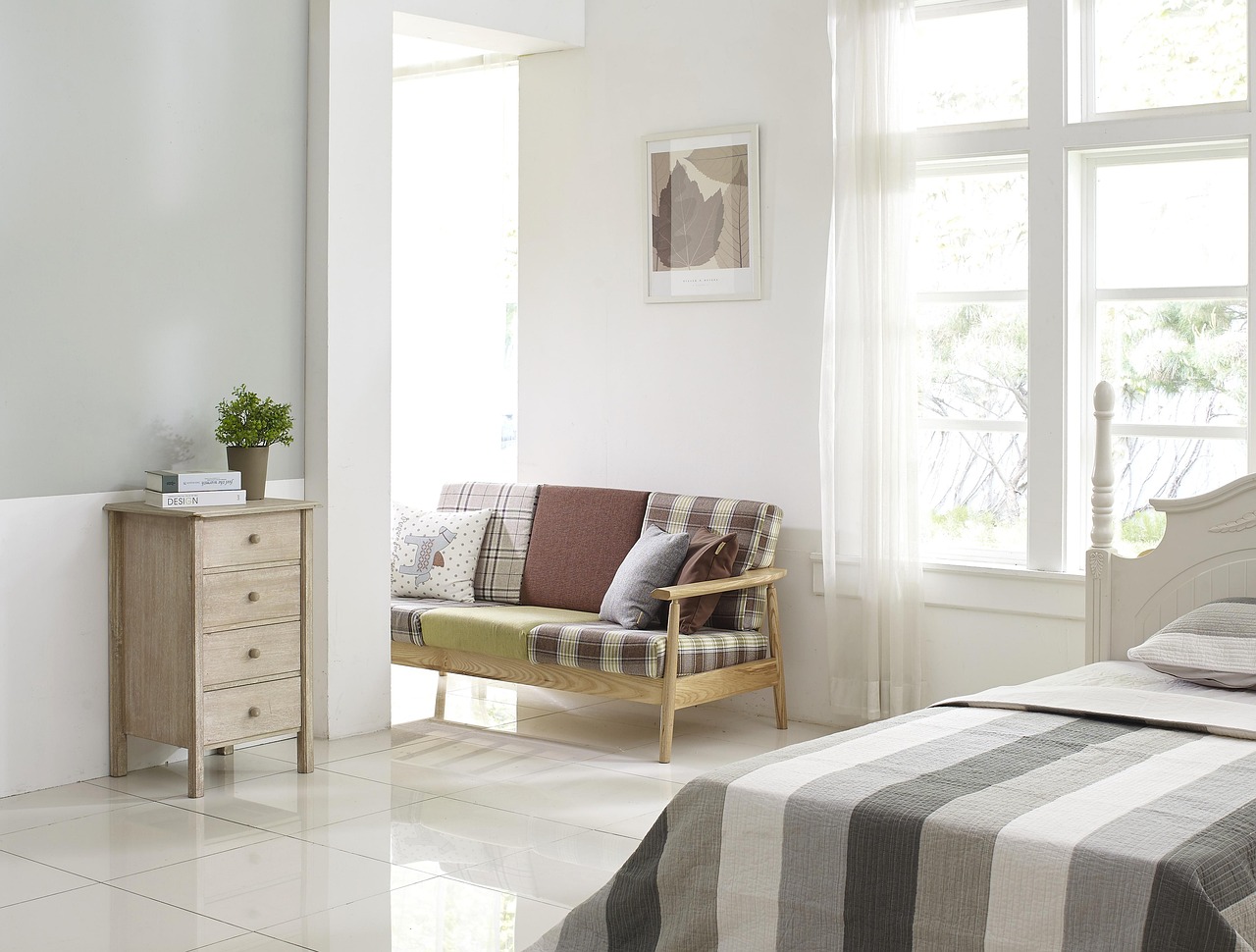
Royalty-free Image credit: manbob86 from Pixabay
Decluttering has become a familiar cycle over the years. I reach a point where the sheer amount of stuff that we have feels overwhelming and I respond by spending several days organising, sorting and clearing things out. For a while, everything feels calmer and more manageable, but gradually, almost without noticing, things begin to build up again. New items find their way in, old habits return and everything slowly reappears.
Decluttering five things each day
When I looked at the house as a whole, the idea of tackling everything at once felt completely overwhelming. There was no clear starting point, and the thought of dedicating entire days to decluttering felt unrealistic and draining. Instead of forcing myself into my usual all or nothing approach, I decided to slow it right down.
Since the beginning of the New Year, I have been decluttering a minimum of five things a day. Not five areas or five bags, just five individual items. Some days that means five obvious things that are easy to let go of. On others, it is five items that require a bit more thought. Either way, so far it has been manageable and rewarding… and that is the point.
One of the general rules I am working with during this declutter is simple: if I have not worn it, read it, listened to it or used it in the last year, it has to go. This rule removes a lot of hesitation and overthinking and helps to separate what is actually useful to my life from what is just taking up space. Once a decision is made, everything is sorted straight away so it does not linger. Items that are broken, worn out, or cannot realistically be repurposed go directly in the bin. Letting them go quickly avoids the temptation to put them back “for now” and keeps the process moving.
Things that still have value but are no longer right for us go into a box to sell. This includes items in good condition that someone else could use, but that no longer serve a purpose in our home. Selling them feels like a practical way to give them a second life while also acknowledging that keeping them unused helps no one. It’s worth noting here that if you make more than £1,000 in a year in the UK through selling your items, you will need to pay tax on it.
Finally, anything that can be donated goes into a separate box ready for the local charity shop. These are items that are still useful and in good condition, and passing them on feels far better than storing them indefinitely. Having clear categories makes the whole process feel purposeful and prevents clutter from simply shifting from one place to another.
Alongside the physical declutter, I am also doing a digital one. Each day, I am deleting at least 20 emails from my inbox and 50 photos from my phone. Just like physical clutter, digital clutter builds up quietly and can feel surprisingly heavy. Clearing it little by little makes everything feel more manageable, reduces visual noise, and helps me feel more organised without needing to spend hours scrolling or sorting in one go.
This approach has taken the pressure off entirely. Five things does not feel intimidating, it fits easily into everyday life and creates momentum without burnout. If I do more than five (which I did yesterday), then great! On days when energy is low or time is limited, five things still feels achievable.
It also fits perfectly alongside my No Spend January 2026 challenge. By focusing on what I already have and consciously letting go of excess, it naturally reduces the urge to buy more. Decluttering highlights just how much is already here, making it easier to resist impulse purchases and appreciate what I own.
Tips for doing a slow declutter
If you are thinking about doing something similar, starting small can make a big difference. Rather than attempting to tackle everything at once, choose a few categories and work through them gradually. Obvious starting points are clothes you no longer wear, books you have finished or never read, and toiletries or beauty products that are past their best or rarely used.
Paper clutter is another good place to focus. Old paperwork, manuals, receipts and notes often pile up unnoticed and can usually be reduced far more than expected. The same goes for kitchen items such as duplicate utensils, unused gadgets, mismatched containers, or food that has been sitting untouched for months.
Digital clutter is just as important. Emails that no longer serve a purpose, apps you never use, photos that are duplicated or blurry, and files you no longer need can all be slowly cleared without much effort. Decluttering these areas can feel surprisingly freeing and often creates just as much mental space as clearing a physical drawer.
Sentimental items can be left until later if they feel too difficult at first. Starting with low emotion categories builds confidence and momentum, making it easier to tackle more meaningful items when you feel ready. The aim is progress, not perfection, and choosing areas that feel manageable will help the habit stick.
Here are some examples of things to declutter:
Clothes you no longer wear or feel comfortable in
Shoes that are rarely worn or no longer fit
Bags, scarves and accessories that go unused
Books you have already read or do not plan to read
Magazines and old notebooks
Unused or duplicate stationery and office supplies
Toiletries, makeup and skincare you no longer use
Towels, bedding or linens in poor condition
Kitchen gadgets and utensils you never reach for
Mismatched food containers and lids
Broken toys
Cables, chargers and tech accessories you no longer need
Old paperwork, manuals and receipts
Decorative items that no longer suit your space
Candles and home accessories stored “just in case”
Apps you never use on your phone
Emails that no longer need to be kept
Photos that are duplicates, blurry, or no longer meaningful
Digital files you no longer need
Remember that this is not a race and there is no deadline. It is about gradually creating more space, both physically and mentally and doing it in a way that feels kind rather than punishing. Five things a day may not sound like much, but over time it adds up, and more importantly, it feels sustainable.
For now, that is enough. A slower pace, small daily actions and the reassurance that meaningful change does not have to be exhausting to be effective.
 Suzie Speaks
You must be logged in to post a comment.